Prepare Now, Save Later: A Homeowner's Guide to Fall
As the days get shorter and temperatures begin to drop, fall is the perfect time to give your home a little attention before winter arrives.
A few simple maintenance tasks can help prevent costly repairs, reduce energy bills and protect one of your biggest investments: your home.
1. Clear Your Gutters and Downspouts
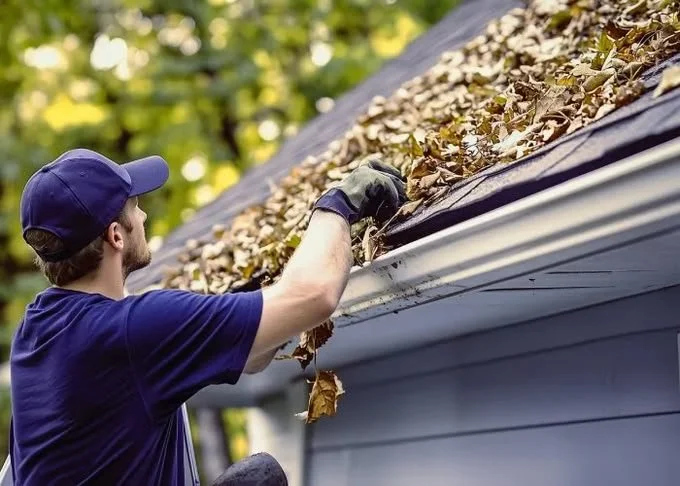
Falling leaves and debris can quickly clog gutters, preventing rainwater from draining properly. This can lead to water damage around your roof, siding and foundation.
Clear your gutters, check for leaks and ensure downspouts direct water away from your home. It's a relatively small task that can help prevent expensive repairs.
2. Keep the Heat In and Energy Costs Down
Small drafts around windows and doors can make your heating system work harder than necessary.
Check weatherstripping, seal gaps and consider replacing worn door sweeps. These inexpensive improvements can help keep your home comfortable while reducing heating costs.
It's also a good time to replace furnace filters and arrange servicing for your heating system before colder weather arrives.
3. Inspect Your Roof and Exterior
Winter rain, wind and snow can turn minor exterior issues into larger repairs.
Look for missing or damaged shingles, cracked caulking and gaps around windows or exterior doors. Check that water drains away from your foundation and address any areas where moisture could enter.
Catching problems early is often far less expensive than repairing water damage later.
4. Prepare Your Outdoor Plumbing
Before freezing temperatures arrive, disconnect garden hoses, drain outdoor faucets where required and winterize irrigation systems.
Water left in exposed pipes can freeze and expand, potentially causing pipes to burst and leading to costly water damage.
5. Review Your Home's Energy Efficiency
Fall is a good opportunity to review your energy use and consider small changes that could lower your monthly expenses.
Programmable thermostats, LED lighting, improved insulation and draftproofing can all contribute to long-term savings.
If you're considering larger improvements, such as upgrading windows or installing a heat pump, check for available government or utility rebates before starting.
6. Don't Forget Your Home Insurance
Take a few minutes to review your home insurance coverage, particularly if you've completed renovations or made significant improvements.
It's also worth confirming that your coverage reflects your home's current replacement cost and understanding your deductible and any exclusions related to water damage.
A Little Maintenance Goes a Long Way
Your home is likely one of your largest financial investments, and protecting it doesn't always require major renovations or expensive upgrades.
Taking care of a few maintenance items each fall can help you avoid unexpected expenses, keep your home comfortable and preserve its value for years to come.
A little preparation today could save you considerable time and money tomorrow.